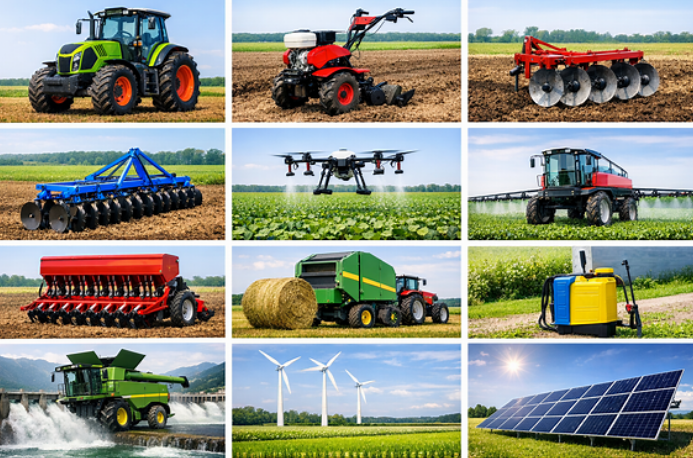
Course Purpose
The purpose of this course is to equip learners with a comprehensive understanding of agricultural machinery, mechanization principles, and modern agricultural technologies that drive efficient and sustainable food production systems. It aims to develop both theoretical knowledge and practical competencies in the selection, operation, management, and evaluation of farm machinery across different stages of crop production and post-harvest handling.
By the end of the course, learners should be able to critically analyze the role of mechanization in agrifood systems, apply appropriate machinery and technologies in real farming contexts, and evaluate their impact on productivity, sustainability, and environmental conservation. The course also emphasizes safety, maintenance practices, and emerging innovations such as precision agriculture and smart farming systems.
Ultimately, the course prepares learners to contribute effectively to modern, technology-driven agricultural systems that enhance food security, reduce labor intensity, and improve overall farm efficiency.
By the end of the course, learners should be able to critically analyze the role of mechanization in agrifood systems, apply appropriate machinery and technologies in real farming contexts, and evaluate their impact on productivity, sustainability, and environmental conservation. The course also emphasizes safety, maintenance practices, and emerging innovations such as precision agriculture and smart farming systems.
Ultimately, the course prepares learners to contribute effectively to modern, technology-driven agricultural systems that enhance food security, reduce labor intensity, and improve overall farm efficiency.
Course Learning Outcomes
By the end of this course, the learner will be able to:
CLO 1: Explain agricultural mechanization concepts
Describe the principles of agricultural machinery, its importance, and its role in improving productivity and efficiency in agrifood systems.
CLO 2: Classify agricultural machinery and equipment
Identify and categorize different types of agricultural machinery based on function, power source, and stage of agricultural production.
CLO 3: Analyze farm power sources and their application
Examine various sources of farm power and determine appropriate selection and management strategies for different agricultural operations.
CLO 4: Apply tillage and seedbed preparation technologies
Select and operate suitable tillage and seedbed preparation equipment for different soil types and farming conditions.
CLO 5: Demonstrate competence in planting and crop establishment systems
Explain and apply the working principles of planting and seeding equipment, including conventional and precision planting technologies.
CLO 6: Evaluate crop protection, harvesting, and post-harvest technologies
Assess the operation and effectiveness of machinery used in crop protection, harvesting, and post-harvest handling to minimize losses and improve quality.
CLO 7: Apply precision agriculture and smart farming technologies
Integrate modern technologies such as GPS, GIS, remote sensing, and variable-rate systems in agricultural decision-making and operations.
CLO 8: Promote safe and sustainable machinery use
Implement safety procedures, maintenance practices, and environmental conservation strategies in the use of agricultural machinery
CLO 9: Solve real-world mechanization problems
Analyze case studies and field demonstrations to propose practical solutions t
CLO 1: Explain agricultural mechanization concepts
Describe the principles of agricultural machinery, its importance, and its role in improving productivity and efficiency in agrifood systems.
CLO 2: Classify agricultural machinery and equipment
Identify and categorize different types of agricultural machinery based on function, power source, and stage of agricultural production.
CLO 3: Analyze farm power sources and their application
Examine various sources of farm power and determine appropriate selection and management strategies for different agricultural operations.
CLO 4: Apply tillage and seedbed preparation technologies
Select and operate suitable tillage and seedbed preparation equipment for different soil types and farming conditions.
CLO 5: Demonstrate competence in planting and crop establishment systems
Explain and apply the working principles of planting and seeding equipment, including conventional and precision planting technologies.
CLO 6: Evaluate crop protection, harvesting, and post-harvest technologies
Assess the operation and effectiveness of machinery used in crop protection, harvesting, and post-harvest handling to minimize losses and improve quality.
CLO 7: Apply precision agriculture and smart farming technologies
Integrate modern technologies such as GPS, GIS, remote sensing, and variable-rate systems in agricultural decision-making and operations.
CLO 8: Promote safe and sustainable machinery use
Implement safety procedures, maintenance practices, and environmental conservation strategies in the use of agricultural machinery
CLO 9: Solve real-world mechanization problems
Analyze case studies and field demonstrations to propose practical solutions t
Course Content
Introduction to Agricultural Machinery
Introduces the concept of agricultural mechanization, its importance, classification of machinery, and its role in improving agricultural productivity and food systems.
Management of Farm Power and Machinery
Focuses on sources of farm power, selection criteria, and effective management practices for efficient utilization of machinery in agriculture.
Tillage and Seedbed Preparation Equipment
Covers tillage principles, types of equipment such as ploughs, harrows, and cultivators, and their application in soil preparation.
Planting and Seeding Equipment
Explores seed drills, planters, and transplanters, including their functions and role in crop establishment.
Precision Planting Technologies
Introduces advanced technologies such as GPS-guided systems, variable rate seeding, and pneumatic seed metering for precision agriculture.
Crop Protection Machinery
Focuses on sprayers, dusters, and chemical applicators, including calibration techniques and efficient pesticide application methods.
Harvesting and Post-Harvest Handling Equipment
Covers combine harvesters and post-harvest technologies aimed at reducing losses and maintaining product quality.
Precision Agriculture and Smart Farming Technologies
Explores GIS, GPS, remote sensing, and smart farming systems for data-driven and sustainable agricultural decision-making.
Safety, Maintenance, and Environmental Considerations
Addresses machinery safety protocols, maintenance practices, and environmental impacts of mechanized agriculture with mitigation strategies.
Case Studies and Field Demonstrations
Provides practical exposure through real-world case studies, demonstrations, and applied problem-solving in agricultural mechanization.
Introduces the concept of agricultural mechanization, its importance, classification of machinery, and its role in improving agricultural productivity and food systems.
Management of Farm Power and Machinery
Focuses on sources of farm power, selection criteria, and effective management practices for efficient utilization of machinery in agriculture.
Tillage and Seedbed Preparation Equipment
Covers tillage principles, types of equipment such as ploughs, harrows, and cultivators, and their application in soil preparation.
Planting and Seeding Equipment
Explores seed drills, planters, and transplanters, including their functions and role in crop establishment.
Precision Planting Technologies
Introduces advanced technologies such as GPS-guided systems, variable rate seeding, and pneumatic seed metering for precision agriculture.
Crop Protection Machinery
Focuses on sprayers, dusters, and chemical applicators, including calibration techniques and efficient pesticide application methods.
Harvesting and Post-Harvest Handling Equipment
Covers combine harvesters and post-harvest technologies aimed at reducing losses and maintaining product quality.
Precision Agriculture and Smart Farming Technologies
Explores GIS, GPS, remote sensing, and smart farming systems for data-driven and sustainable agricultural decision-making.
Safety, Maintenance, and Environmental Considerations
Addresses machinery safety protocols, maintenance practices, and environmental impacts of mechanized agriculture with mitigation strategies.
Case Studies and Field Demonstrations
Provides practical exposure through real-world case studies, demonstrations, and applied problem-solving in agricultural mechanization.
This section provides summary of useful links to resources and activities for your quick actions and course progression.
Student Hand Book
Please refer to the student handbook for assessment guidelines and support services.
Learning Guide
Specific resources are available here for you to view/download within each relevant area of the course.