Course Purpose
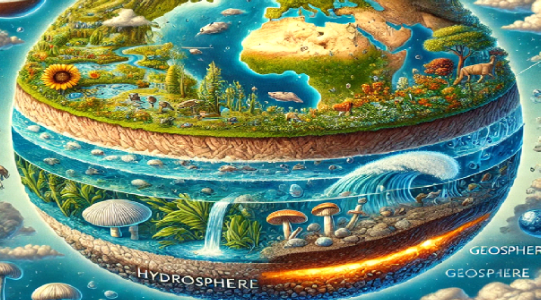
The course introduces learners to the dynamic systems and processes that shape the planet, such as the atmosphere, hydrosphere, lithosphere and biosphere. It fosters critical thinking and problem-solving skills related to sustainability, natural resources and environmental challenges.
Course Learning Outcomes
CLO 1: Explain the processes and systems that shape the Earth’s physical environments.
CLO 2: Analyze the effects of the interactions of the earth systems on human activities.
CLO 3: Formulate sustainable strategies for mitigating environmental degradation.
CLO 4: Demonstrate a commitment to environmental ethics and stewardship through teamwork and collaboration in environmental conservation initiatives.
Course Content
Introduction to Earth's Physical Environments: Overview of Earth’s systems: atmosphere, lithosphere, hydrosphere, biosphere. The importance of studying Earth’s physical environments. Earth’s place in the solar system. Introduction to sustainability and human interaction with the environment. Assessment: Group presentation on human-environment interactions;
The Atmosphere: Composition and structure of the atmosphere. Weather and climate systems. Factors influencing climate: latitude, altitude, ocean currents. Climate zones and their characteristics. Assessment: Climate data analysis report;
The Hydrosphere: The water cycle: processes and components. Oceans, seas, rivers, and lakes. The role of water in shaping landscapes. Water resources and their management. Assessment: Water resource management plan;
The Lithosphere: Structure of the Earth: crust, mantle, core. Plate tectonics and landforms. Earthquakes, volcanoes, and mountain-building processes. Soil formation and types. Assessment: Individual report on local geology;
The Biosphere: Characteristics and components of the biosphere. Ecosystem dynamics: producers, consumers, and decomposers. Biodiversity and its importance. Human impacts on ecosystems. Assessment: Ecosystem restoration proposal;
Human-Environment Interactions: Human adaptation to and modification of environments. Population growth and its environmental impacts. Agriculture, urbanization, and industrialization Environmental sustainability practices. Assessment: Research paper on sustainable development practices;
Environmental Hazards and Management: Types of environmental hazards: natural and human-induced. Disaster risk reduction and management. Climate change and environmental hazards. Environmental policies and disaster preparedness, Assessment: Disaster management plan;
Energy Resources and the Environment: Types of energy resources: renewable and non-renewable. Environmental impacts of energy production and consumption. Alternative and sustainable energy sources. Policies for energy conservation and sustainability. Assessment: Presentation on sustainable energy strategies;
The Cryosphere: Introduction to the cryosphere: glaciers, ice caps, and ice sheets. The role of the cryosphere in climate regulation. Impacts of melting ice and sea-level rise. The significance of polar regions for global systems. Assessment: Report on the cryosphere's role in climate change;
Future of the Earth’s Physical Environments: Projections for future environmental changes. The Anthropocene: human influence on Earth’s systems. Global environmental challenges: climate change, biodiversity loss, pollution. Sustainable futures and global cooperation. Assessment: Final project on global environmental solutions.