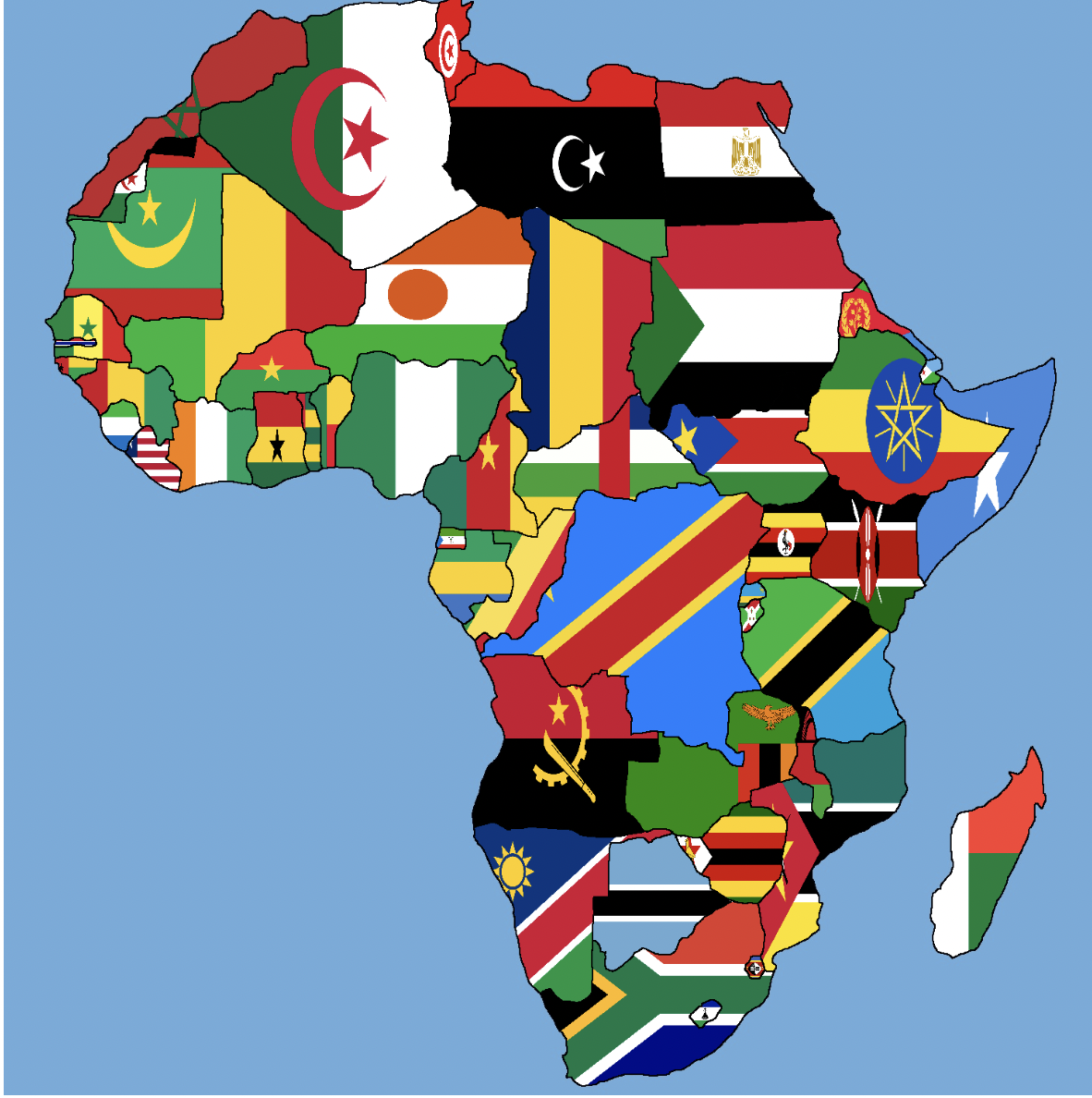
Course Purpose
The purpose of the "Introduction to African History Since 1884" course is to provide students with a comprehensive understanding of Africa's modern history, focusing on the pivotal events, political movements, and social transformations that have shaped the continent from the late 19th century to the present.
Through this course, students will explore the impact of colonialism, the struggles for independence, post-colonial challenges, and the dynamic socio-economic developments across African nations. This course aims to equip students with the analytical tools necessary to critically engage with African history, placing it within the broader global context, and understanding the complex legacies that continue to influence contemporary Africa.
By examining both the triumphs and challenges faced by African societies, students will develop a nuanced appreciation of Africa's role in world history and its ongoing contributions to global affairs. Ultimately, this course seeks to challenge misconceptions about Africa, foster a deeper understanding of its diverse cultures, and encourage a critical reflection on the forces shaping the continent’s future.
Course Learning Outcomes
CLO1: Gain a comprehensive understanding of Africa's political, economic, and social transformations from 1884 to the present.
CLO 2: Develop the ability to critically analyze key events, movements, and figures that shaped Africa’s modern history.
CLO 3: Understand the continuing legacies of colonialism, independence struggles, and the socio-economic issues that Africa faces today.
CLO 4: Be able to place African history in the broader context of world history and international relations.
Course Content
Introduction to African History: Overview of African history before 1884. Historical methodology and sources. Understanding historical narratives and perspectives;
The Scramble for Africa (1884-1914): Causes and consequences of European imperialism. Berlin Conference and the partitioning of Africa. Case studies of specific regions;
Colonial Rule and Resistance: Forms of colonial administration and their impacts. Indigenous responses and resistance movements. Case studies: Mau Mau Uprising, Ashanti Resistance;
World Wars and Their Impact on Africa: African contributions to World War I and II. Post-war consequences and the rise of nationalism. The role of African soldiers in global conflicts;
The Struggle for Independence: Key figures and movements in the independence struggle. The role of Pan-Africanism. Case studies: Ghana, Kenya, Algeria;
Post-Colonial Challenges and Nation-Building: Challenges faced by newly independent states. The impact of colonial legacies on nation-building. Political instability and civil conflicts;
Apartheid in South Africa: Historical context of apartheid. Key events and figures in the anti-apartheid movement. Global responses to apartheid;
Economic Development and Challenges in Africa: Post-colonial economic policies and their outcomes. The role of international organizations (IMF, World Bank). Case studies of economic development in various countries;
Contemporary Africa: Politics and Society: The role of democracy and governance in Africa. Social movements and civil society. Contemporary issues: human rights, migration, and environmental challenges;
Africa in a Global Context: Africa’s place in the global economy and politics. The impact of globalization on African societies. Future prospects and challenges for the continent.