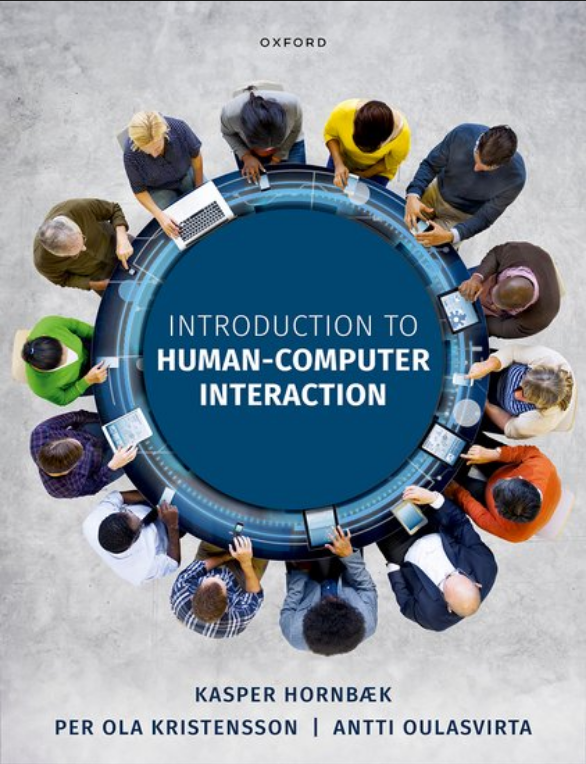
Course Purpose
The purpose of this course is to equip learners with foundational knowledge, skills, and strategies for effective communication across personal, academic, and professional contexts, fostering critical understanding of communication processes, ethical considerations, and the impact of social and cultural dynamics in public communication.
Course Learning Outcomes
CLO 1: Explain the foundational concepts, models, principles, and processes of human communication.
CLO 2: Analyze the role of human communication in shaping public communication across diverse context.
CLO 3: Evaluate the role of human communication in making informed decisions in public communication scenarios.
CLO 4: Develop effective communication strategies tailored to enhance human communication in various real-world contexts.
Course Content
- Introduction to Human Communication:Fundamental aspects of human communication focusing on definitions and functions of human communication; characteristics of human communication;
- Fundamental Principles of Human Communication:Definition and Scope of the principles of human communication; application of the principles of human communication; The 8 Cs of Human Communication; Principle of human communication-clarity, feedback, context awareness, relation.
- Models of Communication: Definition and Examples of the Communication Models-Aristotle’s, Shannon, Weaver's; linear and transactional communication models; Functions of Communication Models in Human Communication; Characteristics of Communication Models; Implications of the Models in the Context of Human/Public Communication.
- Communication Processes and Elements:. Definition of the communication process- communication as a process (the cyclical nature of communication) and communication as a one-time event; Elements/Components of the communication process-the sender, message, receiver, medium, feedback, noise, and context; Channels of Communication; Exploring how the components/elements interact for effective human communication.
- Barriers to Effective Communication:Definition of barriers to communication; Types of barriers to communication (Physical barriers, Psychological create barriers, Semantic barriers, Cultural barriers); Overcoming Barriers for Effective Communication.
- Levels of Communication: Definition of the levels of communication; Interpersonal communication-definition and features; Group communication-dynamics and challenges; Organizational communication-structure and flow; Mass communication- mediums and impact.
- Listening skills:. Definition of listening; types of listening; barriers to effective listening; active listening and techniques to effective listening; listening for specific purposes.
- Forms of Communication: . Verbal and non-verbal communication; features of verbal communication; Functions of non-verbal communication; types of non-verbal communication (e.g. Kinesics; proxemics; Paralinguistics; haptics/touch and artifacts.
- Social media and Human communication:What is social media; The impact of social media on human communication; evolution of language through social media; the future of social media in human communication; challenges of social media use in human communication.
- Ethics and Human Communication: Foundations of Ethics in human Communication Importance of truthfulness and accuracy in human communication; principles of ethical persuasion in human communication; cultural sensitivity and respect in human communication.