Module 1: Introduction to medical parasitology
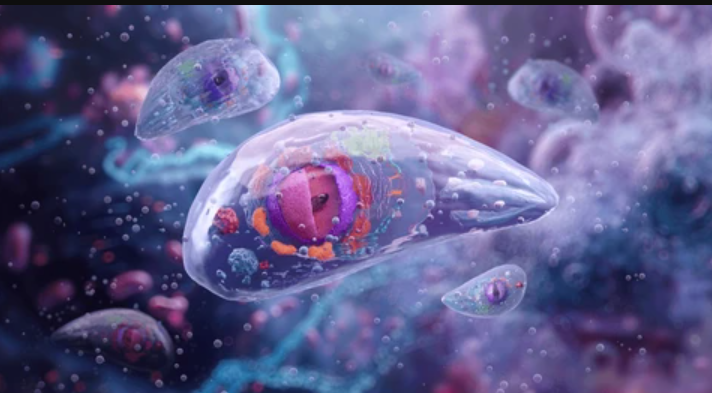
Hallo, and welcome to the exciting field of parasitology! Medical Parasitology is the branch of microbiology and infectious diseases that focuses on parasites and their role in human health and disease. This module introduces you to key definitions and highlights the significance of parasitology in the science and practice of nursing. General types and characteristics of parasites are introduced in this module. This module will set the pace for future discussions on parasitology relevant to practicing nurses.
Module 2: Protozoa of medical importance
Welcome to Module 2! In this module, we will delve into the diverse world of protozoans such as flagellates (including Trypanosoma, Leishmania, Giardia, and Trichomonas), Amoeboids & Ciliates (Such as Entamoeba, Naegleria, and Balantidium), and sporozoans (including Plasmodium, Isospora, Cryptosporidium, Toxoplasma, and Babesia). For each of these groups, we will explore morphology, life cycle, pathogenesis, diagnosis, and methods of prevention and control.
Module 3: Intestinal Nematodes
The third module is here, and welcome once again! This module focuses on intestinal nematodes, such as Ancylostoma, Necator, Strongyloides, Ascaris, Trichuris, and Enterobius. It explores their morphology, life cycles, disease associations, diagnostic techniques, and management protocols.
Module 4: Tissue Nematodes
We are already in module 4! This module examines tissue nematodes, including Trichinella, Dracunculus, Wuchereria, Onchocerca, and Loa. It covers their morphology, life cycle, clinical manifestations, diagnostic approaches, and control measures.
Module 5: Trematodes
We hope you are having an exciting journey so far. Module 6 delves into trematodes, focusing on liver flukes (Fasciola, Clonorchis, Dicrocoelium), intestinal flukes (Fasciolopsis), blood flukes (Schistosoma), and lung flukes (Paragonimus). It explores their life cycles, associated diseases, diagnostic techniques, and prevention strategies.
Module 6: Cestodes
Enter Cestodes! This module covers cestodes, including Taenia, Echinococcus, Hymenolepis, and Diphyllobothrium. It reviews their morphology, life cycles, clinical impacts, diagnostic approaches, treatment, and preventive measures.
Module 7: Medical entomology
Welcome to module seven! In this module you will be introduced to the general characteristics and classification of medically significant vectors. It discusses the biology, effects, and control of key arthropod vectors, including mosquitoes, tsetse flies, sandflies, blackflies, ticks, fleas, mites, and lice.
Module 8: Non-biting vectors and integrated vector control
In module 8, you will focus on non-biting vectors, such as snails, and their role in disease transmission. It also discusses integrated vector control strategies for managing the transmission of parasitic diseases.
Module 9: Treatment approaches for parasitic diseases
Welcome to Module 9. Glad you are learning a lot. Module 9 explores anti-parasitic drugs and their mechanisms of action. Drug resistance in different parasitic infections will be highlighted. In addition, the module overviews various nursing considerations in the therapeutic management of parasitic infections.
Module 10: Epidemiology of parasitic diseases
Welcome to the last module in what we hope has been an exciting course! In this module, we finish by exploring the global distribution and transmission of parasitic infections. Further, we identify risk factors and socioeconomic determinants for parasitic infections. Parasitic disease outbreaks, epidemics, and their control measures as well as the role of nursing in the prevention and control of parasitic diseases will be examined. Lastly, the role of sanitation, hygiene, vector control, health and community sensitization in mitigating the burden of parasitic diseases will be highlighted.