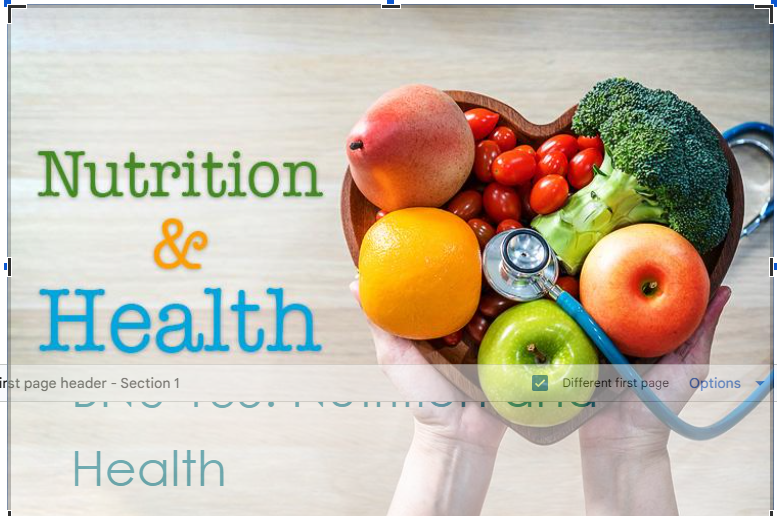
This section provides summary of useful links to resources and activities for your quick actions and course progression.
Student Hand Book
Please refer to the student handbook for assessment guidelines and support services.
Learning Guide
Specific resources are available here for you to view/download within each relevant area of the course.
Course Purpose
The purpose of the course is to equip the learner with knowledge, skills and attitude in nutrition necessary for nursing and midwifery care provision to individual, families and communities.
Course Learning Outcomes
By the end of this course, the learner should be able to:
- Explain the basic concepts and principles of human nutrition, including macronutrients, micronutrients, and their functions in the body.
- Describe the nutritional requirements across the lifespan, with emphasis on infants, children, adolescents, pregnant and lactating women, adults, and the elderly.
- Assess the nutritional status of individuals, families, and communities using appropriate anthropometric, clinical, dietary, and biochemical methods.
- Identify common nutrition-related disorders and diseases (e.g., malnutrition, micronutrient deficiencies, obesity, and diet-related non-communicable diseases) and their implications for nursing and midwifery practice.
- Apply nutritional principles in the planning and provision of therapeutic diets for patients with specific health conditions.
- Demonstrate appropriate nutrition counselling and health education skills to individuals, families, and communities to promote healthy eating practices.
- Integrate nutrition care into routine nursing and midwifery practice, including antenatal, postnatal, and childcare services.
- Utilize locally available food resources in promoting food security and combating malnutrition within communities.
- Demonstrate a positive attitude and cultural sensitivity towards diverse nutritional practices, beliefs, and needs of individuals, families, and communities.
- Collaborate with other health professionals and community stakeholders in the design and implementation of nutrition intervention programs.
Course Content
Concepts of Nutrition and Health: Definition of terms; Historical development; Role of Nutrition in promotion of health and disease prevention; Essential nutrients for human growth and development;
Principles of Diet Planning: Definition of balanced diet and diet planning; Description of a healthy diet; Importance of Diet Planning; Factors Influencing Diet Planning; Principles in diet preparation; Concepts of food preparation and handling; food budgeting and purchasing;
Nutritional Status Assessment: Definition; purpose of nutritional assessment; methods of nutritional status assessment; Assessment and interventions in emergency nutrition response;
Nutrition Requirements Along the Lifecycle: Pregnancy and lactation; infancy and childhood; teenage and adolescence; adulthood; geriatrics;
Nutrient Deficiency Disorders: Definition of malnutrition and related terms; Causes of malnutrition; pathophysiology of Nutrition deficiency disorders; Nutritional management of various conditions: Therapeutic diets in patient care; Modes of feeding;
Community Nutrition: Socio-cultural influences on nutrition; strategies to promote nutrition at community level; Nutrition in emergencies; general food distribution, supplementary feeding programs, therapeutic feeding programs.